Training Tip: What Your Body Language Says to Your Horse
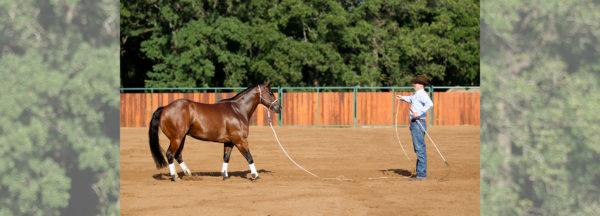
If you want to be an effective horse trainer, you need to tune in to body language and be aware of both yours and your horse’s. If you want to be a great horseman, you not only need to be aware of body language, but you have to understand and be able to use it effectively. There’s no way around that. A great horseman can communicate with their horse through almost invisible commands. The horse reads his body language and effortlessly moves with him.
There are two types of body language—active body language and passive body language.
Active Body Language
When you want your horse to move, you’ll use active body language. Your entire body should be telling the horse to move. You’ll lean forward toward the horse, look him directly in the eyes and square your shoulders. If your body language is active, the horse better move his feet now!
Passive Body Language
When you want your horse to stand still and relax to whatever you’re desensitizing him to, you’ll use passive body language. Since you don’t want the horse to move, you want an overall relaxed look to your body. You might cock one of your legs, relax your shoulders and just have a very casual look about you. Regardless of what you’re doing, if your body language is passive the horse should stand still and relax.
