Training Tip: Recognizing Burn Out in Horses
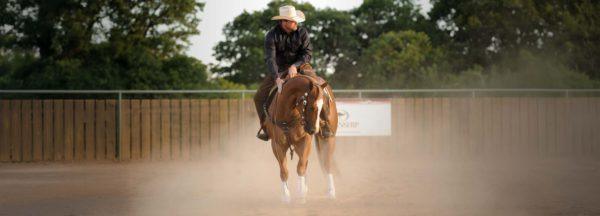
Just like us, horses can get burnt out and develop bad attitudes. Think of the old pinny-eared lesson horse who spends hours each day packing beginners around the arena or the finished horse who’s made to keep performing the same maneuvers day in and day out.
You always hear me say that consistency is your greatest ally and it is extremely important when training horses. While that’s true, you have to be sure to add variety to your training program. Without variety, horses get bored and mentality tune out and become sour. If you’re not careful, they can develop bad attitudes that are hard to turn around.
Burn out is something I keep a constant gauge on with my performance horses. If I notice a horse withdrawing or a good-natured horse becoming pinny eared and pissy, I adjust my training approach. It’s far easier to head off burnout when you first notice the signs than to deal with a horse that’s developed a long-term bad attitude. It’s just like with people. It’s far easier to correct yourself and change your mindset when you first notice a negative thought or bad attitude creeping into your mind than it is if you let a little thought turn into a long-term mindset that overshadows every aspect of your life.
While all horses can fall victim to burnout, generally, it’s the horses that know their jobs well that are most often affected. I see it in the performance horse industry quite often. During their 2- and 3-year-old years the horses are mentally sharp and look forward to the training sessions. Those two years are the most intense of a performance horse’s training because they’re learning how to do their jobs. After the horses know the maneuvers and can do their jobs well, the training eases up and the focus is all about maintaining the horse’s level of performance. At that point, it’s important to have a good long-term program set in place.
That’s why I developed a maintenance program for my older horses that are still being shown in their 4-, 5-, and 6-year-old years. The keys to keeping these horses happy in their jobs, sound and performing at their best, are to not override them, to keep training sessions fun and interesting for them, and to keep them in top physical condition. Instead of an older horse being ridden five days a week, he gets ridden three days a week to keep him mentally sharp and on his game, and spends two days a week on a walker to improve his muscle tone. He also receives regular turnout for his mental and physical well-being.
While these horses have an active role in the program, it’s important that we not drill on them and ride them hard every single day because they’ll burn out and won’t last for years to come. A horseman’s goal should always be to achieve longevity with his horses.
Looking for more training tips? Check out the No Worries Club. Have a training question? Submit it on our website.
