Training Tip: Mouthy Horses
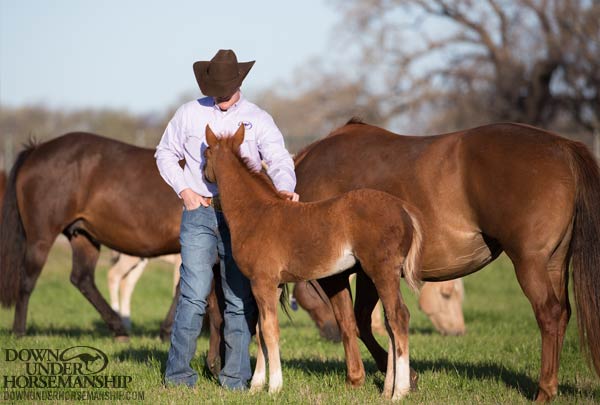
When a horse gets mouthy — he nips or nibbles shirt sleeves, jackets or the lead rope — the behavior is often brushed aside. This is especially true with young horses, the most likely culprits of this behavior. A foal mouthing your shirt sleeve doesn’t seem like a big deal; in fact, a lot of people think it’s kind of cute. But the problem with this behavior is that if uncorrected it often turns into biting — a very dangerous vice.
The most effective correction you can do with a horse is to make him move his feet. Horses are basically lazy creatures that would rather stand around in the pasture daydreaming of their next meal than move their feet and work up a sweat. They’ll always choose the option with the least amount of work involved.
So if you’re standing next to your horse and he starts to lip your shirt, put his feet to work. Back him up, lunge him in a circle, sidepass him — anything you can think of to make him hustle his feet. Put his feet to work for five minutes, and then go back to what you were doing with him before he got mouthy. Act like it didn’t even happen. If he tries to mouth you again, you’ll make the same correction.
He can’t mouth on you and move his feet at the same time, especially if you make him hustle with energy and do a lot of changes of direction. If you’re consistent with this correction, it won’t take many repetitions for the horse to connect the two together: When he gets mouthy, he has to move his feet and sweat.
One of the most effective ways to stop a mouthy horse, and a horse that bites, is to back him up. Backing is a very humbling exercise for a horse to do. When a horse gets mouthy or tries to bite, it’s a very forward action — he’s invading your space and coming to get you. When you back him up, it’s the opposite — he’s being submissive to you by moving out of your space.
