Q&A: Dealing With Mares
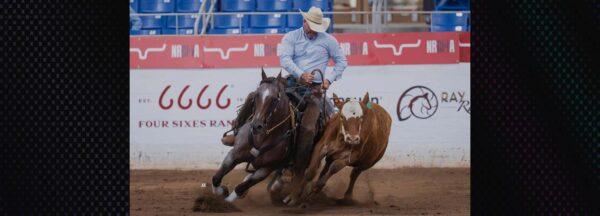
Question: I’ve never been a fan of mares because of their surly attitudes and the squealing, squirting and general silliness that they often exhibit. However, I’ve recently found myself the owner of a mare. While she’s very athletic and suited for ranch riding, which I compete in, she definitely exhibits mare-ish behavior. How do I deal with it, especially at shows? Do you feed your cow horse mares a supplement?
Clinton’s Answer:
I train the horse. I won’t deny that there are mares out there who swish their tails, squeal around other horses, have short attention spans and bad attitudes, but the reality is that these mares aren’t “hormonal” as much as they are allowed to get away with disrespectful behavior.
It’s the same as people who own head-shy horses and try to avoid problems by not doing anything around their horse that they think might frighten him. They might avoid taking their hat off in front of the horse, reaching up fast to grab the side of the halter or even avoid putting a blanket over the horse’s head. They’re forever tiptoeing around the horse, afraid that they’re going to upset him.
Are there some mares that have hormonal imbalances or abnormalities that make them moody and have poor attitudes? Yes, but they are a rarity, not the norm. The simple truth is that the right training program combined with a consistent training schedule produces a well-behaved, attentive horse.
When I was breeding and raising horses at the ranch, because we worked with the foals from the moment they were born, we never noticed mare-ish tendencies in the fillies. From day one, they were taught to be respectful and well behaved. We never offer up an excuse for a horse’s poor behavior.
What trips people up is when they get a mare with a bad attitude instead of moving her feet and earning her respect, they excuse her behavior away. “Oh, she’s in heat,” or “She’s hormonal,” they’ll say. When really the answer is, “I haven’t done a good enough job training her.” There’s a general lack of accountability in the horse world and it’s far easier to excuse ill behavior away than it is to put in the time and effort it takes to address it.
I’ve personally worked with some really great-minded mares, but I’ve also worked with some sorry-minded mares. I’ve also worked with some outstanding geldings, and I’ve worked with geldings that have made me want to cuss and pull my hair out. My years of experience tell me it’s not about gender, it’s the horse’s mind and bloodlines and his or her training that makes a great individual. The bottom line is a good horse is a good horse regardless of gender.
