Training Tip: Hold the Soft Feel Longer
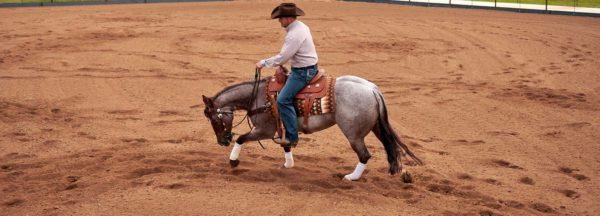
Vertical flexion with your horse is something that you’ll build on with each give. First the horse has to understand that when you pick up on the reins and apply pressure with your legs he needs to maintain whatever gait he’s in and give to the pressure. As soon as he understands that concept, then you can ask him to hold the soft feel longer. This “Hot Potato Give” will turn into holding vertical flexion for a stride. One stride will turn into two and before long, two will turn into 20. The key is not to get greedy and ask the horse for too many strides at first.
When a horse starts doing well, our first instinct as predators is to ask for more. But the trick to training horses is when it feels good, quit – instantly give back to the horse. It usually takes a few days for a horse to get consistently good at the Hot Potato Give at whatever gait you’re working on. Then you can move on to holding the soft feel longer. If you start holding it longer and the horse gets worse, he’s telling you that he’s not ready for it, and he needs to get better at the Hot Potato Give before progressing.
Have a horsemanship question or looking for more training tips? Check out the No Worries Club.
