Ace Lateral Flexion With Your Horse
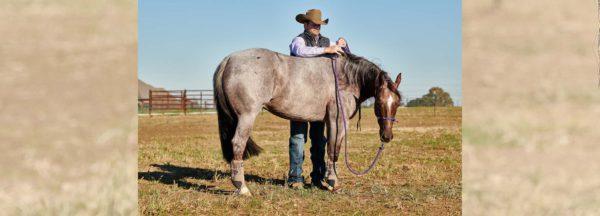
A horse that is soft and supple is able to perform his job well and is a pleasure to ride. “A horse can never be too soft or supple. I have never had someone ask me what they do with a horse that’s too soft or moves his body too well. But, I do get tons of questions about horses that are stiff and lean on the bit,” Clinton says.
The secret to a soft horse is gaining control of the five body parts – the head and neck, poll, shoulders, ribcage and hindquarters. Following the Method, we teach our horses to be soft in the head and neck using lateral flexion. It’s first introduced to the horse in the Fundamentals Series exercise Flexing the Head and Neck.
“Teaching the horse to flex on the ground first makes teaching him the same concept under saddle much easier. If your horse can’t flex and be soft and supple on the ground, he’s not going to flex and be light under saddle either,” Clinton says.
In the training guide, “Flexing the Head and Neck,” Clinton explains step by step how to teach the exercise to your horse. Read the article on the Downunder Horsemanship website.
